Choosing Luxury Bedding: Materials, Care, and Longevity
A Vogue-worthy exploration of premium fabrics, meticulous care, and lasting elegance for your sleep sanctuary.
Introduction
Luxury bedding isn’t merely about a price tag or a glossy finish. It is a philosophy: a commitment to premium materials, precise construction, and enduring comfort. When you invest in bedding that feels sumptuous against the skin, you are choosing a sleep experience that ages gracefully with time. This guide dives into the intersection of composition, care routines, and the longevity of your luxury essentials, from sheets and duvet covers to pillows and mattress protectors. We’ll also meet a trio of influential voices across time who illuminate the enduring allure of high-end textiles and the craft behind them.
As you read, consider the core themes: materials (Egyptian cotton, silk, organic cotton, wool, and latex), weave and density (think threads per inch and knit vs. woven fabrics), certifications (GOTS, OEKO-TEX), care methods, and lifetime value. Your sleep space can be a runway of refinement when you mind the details that keep fabrics soft, colors vibrant, and fibers resilient for years.
1) Materials That Define Luxury: What Makes a Fabric Feel Special
Egyptian Cotton and Long-Staple Wonders
Egyptian cotton has long been the standard bearer for luxury bed linens. The fiber length allows for a finer yarn and a silk-like drape when woven into percale or sateen. The result is a surface that feels crisp yet incredibly soft after multiple washes. In premium lines, you’ll often encounter 300- to 600-thread-count sheets that balance weight with breathability. When paired with careful finishing and responsible sourcing, Egyptian cotton turns bed linen into a timeless investment rather than a disposable luxury.
In our featured selection, sheets from Sleep and Beyond and Naturepedic demonstrate how growers and mills can honor both texture and sustainability, offering sheets that remain cool in warmer months and cozy during cooler nights.
Organic Cotton, Silk, and Wool: The Trifecta of Comfort
Organic cotton emphasizes purity—no synthetic dyes or chemicals—while silk brings temperature regulation and a lustrous sheen. Wool, including washable wool variants, provides natural insulation and moisture management. Each material has a distinct lifecycle: from fibers to fabrics to finishes, all of which influence longevity and care needs. A premium wool or latex layer can elevate both the comfort and the performance of a luxury mattress, addressing temperature regulation and longevity in ways that synthetics cannot mimic.
Consider the Hudson Organic Dunlop latex mattress as an example of how material choice informs sleep quality at the source. While not a sheet, the mattress uses multiple certified organic layers and wool for natural flame retardancy and climate control, illustrating how material integrity matters from the core outward.
2) Weave, Thread Count, and Certification: How Feel Becomes Longevity
Weave type and thread count often guide the tactile character of luxury linens. Percale, a crisp, breathable weave, excels in warm climates and hot sleepers, while sateen offers a softer hand and a lush drape that flatters luxurious bedding ensembles. A 300–400 thread count can feel plush yet breathable; 600+ thread counts usually indicate a dreamlike softness, though care and fiber quality matter as much as the count.
Certifications like GOTS (Global Organic Textile Standard) and OEKO-TEX provide assurances about chemical safety and environmental impact. These labels matter not only for the feel of the fabric but for the overall health of your sleep environment and the planet.
In today’s luxury market, you’ll encounter fabrics that embrace sustainability without sacrificing luxury. Naturepedic’s Supima and Supima-plus offerings, as well as organic linen and linen blends, show that longevity often rides on a foundation of responsible farming, ethical processing, and careful finishing. The result is a fabric that ages gracefully—softening with wear while preserving color, strength, and comfort.
When choosing textiles, pair textile knowledge with your lifestyle: are you a hot sleeper? Do you have sensitivities to chemicals? Your answers guide whether you select breathable organic cotton, temperature-regulating Tencel blends, or wool-enriched layers that resist moisture and regulate warmth.
3) Care Guides: Washing, Drying, and Storing Luxury Goods
Care routines are the invisible couture of bedding. High-end fabrics deserve gentle handling to preserve softness, color, and structural integrity. For sheets and duvet covers, machine washing on a gentle cycle with a mild detergent, cold or warm water, and line drying or low-heat tumble drying is a safe baseline. For delicate textiles (silk, linen), professional laundering or specialized cycles may be appropriate to protect the weave, sheen, and fiber integrity.
Storage matters, too. A breathable cotton bag or a dedicated linen chest prevents yellowing, preserves fibers, and guards against dust. Avoid plastic containers that trap moisture and encourage mildew; opt for breathable materials and a clean, dry space.
Protection from everyday wear is a luxury in itself. Mattress protectors made from organic cotton with a discreet barrier can extend the life of a mattress while preserving the feel of the top layers. Pillows, duvet inserts, and blankets similarly benefit from protective covers that guard against oils, sweat, and spills without compromising breathability.
From our curated list, you’ll find protectors and covers that balance protection with tactile openness. The right protector helps preserve loft and structure, ensuring your investment continues to feel like new for for years to come.
4) Longevity: Investment Mindset and Replacement Cycles
True luxury bedding is an investment in long-term sleep quality. The question isn’t only how much it costs upfront, but how well it ages, how often you must replace, and how many seasons of sleep it endures without losing its comfort and aesthetic. Warranty length, fabric resilience, and fiber integrity are key indicators of longevity.
Considerations include: the durability of cotton sateen or linen, the resilience of latex or wool fillings, and the ability of the weave to resist pilling and wear. A well-cared-for duvet insert, for example, can outlive several standard comforters, especially when paired with a protective duvet cover that reduces abrasion and oils on the shell.
Lifetime value is not merely monetary. It is the steady quality of sleep you enjoy every night, the way the fabric feels after dozens of launderings, and the sense that a piece you own remains relevant to evolving tastes. A durable, well-maintained luxury set can be handed down as an heirloom, becoming a touchstone of home elegance across generations.
To optimize longevity, follow practical steps: rotate and fluff pillows regularly to maintain loft; launder duvet covers and sheets as per care guidelines; store items in breathable conditions; and consider occasional professional cleaning for high-usage pieces to refresh fibers without compromising integrity.
5) A Vogue-informed Timeline: Key Figures in Luxury Textile History
From the subtlest thread to the grandest textile tradition, influential minds across centuries shaped our modern comfort lexicon. Here are three key individuals who illuminate the evolution of luxury bedding, spanning different eras and contexts.
Silk Road Artisan (c. 2nd century BCE – 2nd century CE)
In the ancient trade networks that stitched East and West, silk textiles showcased the luxury of worldwide exchange. Silk’s natural luster, temperature-regulating properties, and delicate hand made it a coveted material for bedding across empires. Early artisans perfected weaving and finishing, establishing a standard of softness, breathability, and opulence that still informs premium silk bedding today. The lineage of silk is a reminder that luxury is as much about craft as it is about material value.
Maria de la Paz (Renaissance textile patron, 16th century)
During the European Renaissance, patrons and artisans began to fuse courtly aesthetics with textile science. Designers sought colorfast dyes, refined weaves, and architectural drape—an ethos that still underpins the layering and finish of modern luxury bedding. The attention to detail—embroidery, borders, and precise finishing—translated into the visual elegance and tactile refinement that define premium sheets and duvet covers today.
Louise de Villedieu (19th–20th century textile innovator)
As the modern textile industry matured, European ateliers and family-owned houses pioneered methods to produce durable linens with a high thread count and superior finish. Louise de Villedieu style embodies a heritage of craftsmanship: a commitment to proportion, luster, and long-lasting fabrics. This lineage informs contemporary restoration of luxury linens and the ongoing emphasis on quality construction, even within mass-market offerings that attempt to replicate couture-level luxury.
6) Featured Product Spotlight
Naturally Organic Hudson Shredded Latex Pillow
A pillow built for the modern eco-conscious sleeper. Made with GOLS-certified organic shredded Dunlop latex and a GOTS-certified organic cotton cover, it offers anti-microbial properties and hypoallergenic comfort. It is non-toxic and fully breathable, crafted to support different sleeping positions while maintaining a soft, springy loft.
Sizes: Standard, Queen, King
Hudson Latex Mattress (Naturally Organic)
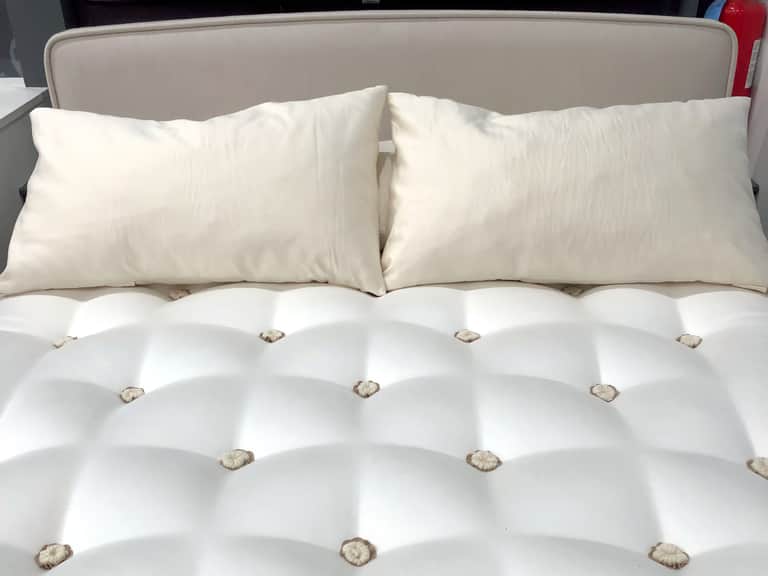
An eight-inch, fully organic latex mattress featuring five inches of firm latex and three inches of medium latex, wrapped in GOTS-certified organic cotton and quilted with organic wool for insulation and flame retardancy. This is a standout example of how premium materials translate into a sleep experience that remains comfortable, supportive, and health-conscious over time.
Key benefit: Durable, dust-mite resistant, and temperature-regulating.
7) The 3-Option Vision: Why Luxury Education Is Your Best Bet
Education Hub Philosophy
Focusing on materials, construction, and care enables a robust understanding of why certain linens perform better over decades. It’s about knowing which fibers, weaves, and finishes keep their integrity under repeated use and washing.
Lifestyle and Trends
A salon-ready approach to layering bedding with color, texture, and sustainable luxury. This speaks to interior design enthusiasts who value a curated sleep space as a core element of home aesthetics.
Maintenance and Longevity
Practical tips, warranties, and replacement cycles to prolong the life of premium bedding. A well-cared-for luxury set remains a source of daily delight for years.
Discover more premium options at The Clean Bedroom, including the Naturally Organic Hudson latex mattress and pillow collections. A couture bedside ritual begins with the right textiles.
8) Final Thoughts: Curating a Sleep Sanctuary That Endures
Luxury bedding is not a fleeting impulse but a curated lifestyle choice. It invites you to slow down, to cherish the feel of a fabric against your skin, to know the provenance of materials, and to embrace care routines that honor quality. The goal is to assemble a sleep environment that remains elegant, comfortable, and resilient through seasons, fashion cycles, and the inevitable shifts of life. When you invest in enduring fabrics, you invest in meaningful rest.
From premium sheets and duvet covers to adaptive pillows and protective layers, the spectrum of luxury bedding offers a quiet grandeur. It speaks of craft, science, and the timeless human desire for comfort. By choosing textiles with honest fibers, responsible production, and a love for longevity, you create a sleep space that doesn’t expire with trends but grows more cherished with time.